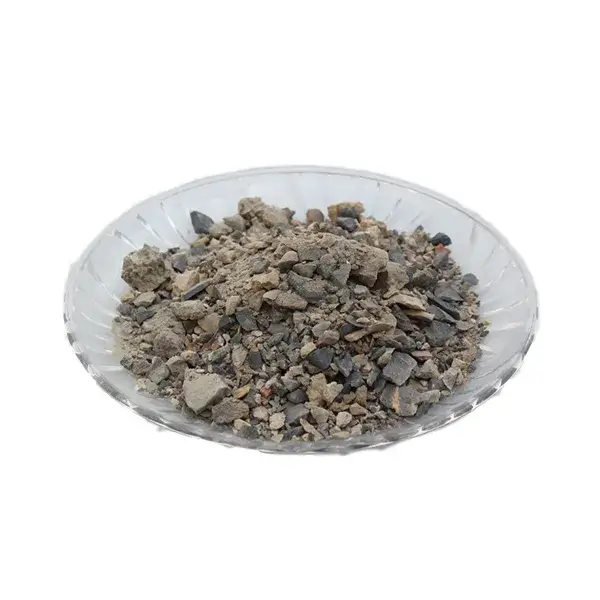
Refractory castables, also known as unshaped refractories, are granular and powdered materials made from refractory substances, combined with a specific amount of binder and water. They possess high fluidity, making them suitable for application via casting; they are unshaped refractories that harden without the need for heating. They are typically formed on-site through casting, vibration, or tamping, though they can also be manufactured as precast components. Below, we will outline the key considerations for the installation of refractory castables.
1. Key Points to Know and Consider Before Construction Begins
Strictly control the amount of water added during construction. If construction takes place in cold winter conditions, the temperature must be above 5°C, and appropriate frost protection measures must be in place. Refractory castables must be mixed using a mixer; manual mixing is strictly prohibited. Anchors must be fitted with expansion caps or coated with bituminous paint. Finally, refractory castables must not be mixed with other types of castables.
2. Pre-Construction Preparation and Inspection
Prepare the necessary equipment for applying refractory castables and for on-site cleanup, ensuring that all equipment is in good working order and fully operational. Verify the material, dimensions, and layout of the anchoring components, as well as the quality of their welds, and implement measures to prevent moisture loss in the surrounding refractory bricks. Prior to construction, conduct tests to confirm that the castable material is free from defects and that the water used meets drinking water standards. Construction may only begin once all the above requirements and tests have been met and conditions for continuous construction are satisfied.
3. Key Points During Construction
First, construct a mold using steel plates or hardwood boards. Coat the steel plates with a mold release agent and the hardwood boards with waterproof paint. The mold must be sufficiently strong and must not leak slurry. Next, pour the castable into a mixer and add the additives at the same time. When mixing, dry-mix for 3 minutes first, then add water and mix for another 5 minutes. Add water in appropriate amounts—neither too much nor too little. Once the castable is poured into the mold, tamp it immediately. Be careful not to tamp the same spot repeatedly to prevent segregation and voids in the castable. The mixed refractory castable must be used within 20–30 minutes after adding water. The mold can only be removed after the surface of the castable has dried and it has reached 70% of its final strength.
4.Causes of Damage to Refractory Castables and Solutions
Refractory castables offer unique advantages, which is why they are so widely favored. However, if not handled carefully during use, they can become damaged. So, how can this be avoided? Let’s take a look below:
First, refractory castables are a widely used type of refractory insulation material, particularly suitable for applications requiring high-temperature firing. However, damage may sometimes occur during use.
Different manufacturers of refractory castables have varying formulations and compositions. The primary components of refractory castables refer to the chemical constituents that make up the vast majority of the mixture and play a decisive role in the material’s high-temperature properties. These primary components are what give refractory castables their superior ability to withstand high temperatures. Furthermore, the distinct characteristics of various refractory castables are entirely determined by these primary components, as well as any added additives. Additionally, excessive impurities in some manufacturers’ castables can lead to damage and issues during subsequent use. Therefore, the composition of refractory castables plays a decisive role in their high-temperature properties. Only castables made from high-quality materials can possess superior high-temperature resistance, ensuring both performance and service life during use.
In addition, physical factors are also a major cause of damage to refractory castables. Excessively high temperatures can cause localized spalling in the castables, while improper furnace operation or the introduction of molten metal into the castables can also lead to damage.
Another factor contributing to damage is chemical in nature, resulting from the formation of slag inside the furnace and chemical reactions between furnace gases and the refractory castables. Furthermore, corrosive substances generated by electrochemical reactions can also cause localized damage to the refractory castable. Therefore, during installation and use, care must be taken to ensure that the refractory castable is not exposed to highly corrosive substances.
Finally, mechanical impact during construction can cause damage to the refractory castable; therefore, caution must be exercised during the installation process.