
Large and medium-sized converters in steelmaking projects are characterized by energy saving and high efficiency. Therefore, they are widely used in newly built, improved, and expanded steel plants both domestically and internationally, such as the 320t converter at a steel plant in Dangjin, South Korea, the 280t converter at a steel plant in Handan, and the 180t converter project at another steel plant in Handan. Converter lining engineering involves a wide range of aspects, and steel plants have strict requirements for lining schedules and quality. Therefore, lining contractors must adopt advanced construction techniques and implement a series of effective construction measures to ensure the smooth delivery, commissioning, and production of the converter.
1.Brick delivery method
Due to differences in converter types and steelmaking processes at domestic and international steel mills, the brick-laying process for converters can be broadly categorized into three methods based on the brick-feeding approach: tapping hole brick-feeding, furnace mouth brick-feeding, and repair tower brick-feeding.
1.1 Tapping Hole Brick Laying Method
The tapping hole brick laying method is primarily used for converters without a slag-retaining slide plate at the tapping hole and without a maintenance tower. The brick laying sequence for this method is as follows: Construction preparation → Removal of furnace lining → Cleaning of furnace interior surfaces → Surveying and layout of furnace body → Laying of permanent furnace bottom layer → Laying of center bricks → Laying of furnace bottom ring bricks → Installation of air-permeable bricks → Filling with rammed refractory material → Laying of tilting bricks → Laying of melt pool bricks → Erecting the masonry platform → Laying of furnace body bricks → Laying of the tapping hole → Laying the furnace cap bricks → Ramming the furnace mouth pressure brick material → Dismantling the internal platforms → Cleaning up site debris.
1.2 Furnace Mouth Brick Laying Method
The furnace mouth brick laying method is primarily used for converters with a steel tapping hole equipped with a slag-stopping slide plate and without a furnace repair tower. The construction sequence for the furnace mouth brick laying method is as follows: Construction preparation → Removal of furnace lining → Cleaning of furnace interior surfaces → Surveying and layout of furnace body → Lining of the tapping hole → Lining of the permanent furnace bottom layer → Lining of center bricks → Lining of furnace bottom ring bricks → Installation of vent bricks → Filling with rammed material → Lining of tilting bricks → Lining of molten pool bricks → Erecting the masonry platform → Lining of furnace body bricks → Laying the furnace cap bricks → Ramming the furnace mouth pressure brick material → Dismantling the internal platform → Cleaning up site debris.
1.3 Brick Laying Method for the Furnace Repair Tower
The brick laying method for the furnace repair tower is primarily used for converters equipped with a furnace repair tower. The construction sequence for this method is as follows: Construction preparation → Removal of furnace lining → Cleaning of furnace interior surfaces → Surveying and layout of furnace body → Lining of the tapping hole → Installation of the furnace-building tower → Lining of the permanent furnace bottom layer → Lining of center bricks → Lining of furnace bottom ring bricks → Installation of vent bricks → Filling with rammed material → Lining of turning bricks → Lining of molten pool bricks → Lining of furnace body bricks → Lining of the top cap bricks → tamping the pressure brick material at the furnace opening → dismantling the internal platforms → clearing debris from the site.
2.Pre-construction Preparations
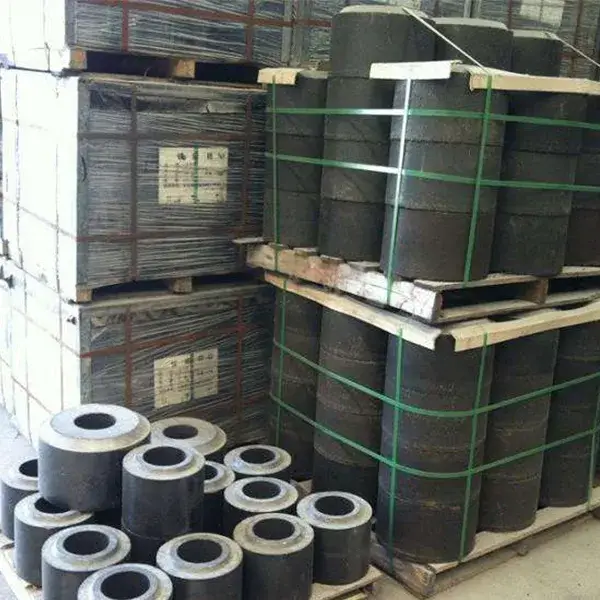
(1) All materials must be delivered to the designated area on time prior to construction. Materials brought onto the construction site must be protected against rain, moisture, and fire;
(2) Refractory materials brought onto the construction site must be accompanied by certificates of conformity, test reports, converter lining drawings, and construction plans;
(3) Refractory materials at the construction site must be stacked and categorized according to the laying sequence, with materials to be used first placed on the outer side and those to be used later on the inner side. They must be clearly labeled to facilitate quick handling by forklifts;
(4) Construction equipment and tools must be installed, commissioned, and tested in advance to ensure they operate normally;
(5) Prior to converter construction, fire prevention measures must be in place in the construction area, and warning signs must be posted. Water and fire must be prohibited from entering the furnace.
3.Construction Personnel and Equipment Allocation
Due to the tight construction schedule for the converter and the strict requirements for bricklaying, construction typically involves 24-hour continuous operations.
Introduction to Lifting Platforms for Converter Lining Construction. For converters lined using the “bricks-in-through-the-tapping-hole” or “bricks-in-through-the-mouth” methods, steel mills typically do not provide maintenance towers. Therefore, as the height of the converter lining increases during construction, scaffolding must be erected.
4.Construction requirements for masonry work of various parts of the converter
(1) Construction of the Tapping Hole.
Before installing the tapping hole base bricks, level the bottom with rammed refractory material to ensure that the tapping hole cylinder and the masonry layer are on the same plane. When laying separate base bricks, apply refractory mortar evenly to the joint surfaces of each brick. The inner diameters of the base bricks must be uniform; if necessary, make on-site adjustments to ensure proper installation of the nozzle bricks. Since the base consists of multiple bricks, backfill the area around the base bricks with rammed material from both sides simultaneously to prevent the base from rotating.
(2) Masonry of the furnace bottom permanent layer.
Mark a cross at the center of the furnace bottom before masonry begins. Use a dry-lay, staggered joint method, laying bricks radially outward from the center of the furnace bottom. The upper and lower layers of magnesia bricks must be laid at a 90° angle to each other with staggered joints. The first layer of magnesia bricks is laid in a “herringbone” pattern, and the second layer is laid at a 90° angle to the first, also using the “herringbone” pattern. After each layer is completed, fill the joints with magnesia sand and sweep them clean; if there are large gaps at the junction between the bricks and the steel shell, tamp them with rammed refractory material.
(3) Laying the furnace bottom center bricks and working layer.
Before placing the furnace bottom center bricks, they must first be positioned. Identify two or more straight lines passing through the center point and use a plumb line to locate the center. Reference points may include the furnace shell or the openings in the air-permeable bricks. After positioning the center bricks, check their levelness with a spirit level; if necessary, fill loose material beneath the center bricks to level them. Using the center brick as a reference, lay the furnace bottom bricks in a clockwise direction. Stacks of bricks must be laid with staggered joints. During the laying process, ensure that the bricks surrounding the ring bricks are tightly fitted and flush to prevent excessive joint width; keep joint widths within 1.5 mm. Furnace bottom bricks are generally pre-laid; during construction, they should be laid in sequence according to their numbers. Unless under special circumstances, the sequence must not be disrupted.
(4) Laying of furnace bottom vent bricks.
Vent bricks must be positioned accurately. Before reaching the vent brick section, place the vent bricks and surrounding bricks on-site for comparison, then cut and shape the surrounding bricks accordingly. To ensure proper airflow through the vent bricks, it is recommended to apply a secondary seal around their perimeter. The sealing height should be no less than 200 mm to prevent backflow of gases from the furnace bottom.
(5) Laying of the turning zone and molten pool bricks.
The permanent layer of magnesia bricks in the turning zone should be laid up to the edge of the furnace body lining. If space is limited, the gap can be filled with rammed refractory material and compacted thoroughly. It is best to measure the leveling layer first to determine the thickness of the rammed material bedding. If the space behind the magnesia-carbon bricks is limited, fill it with rammed material and compact it thoroughly. When laying the first layer of bricks for the leveling layer, recheck the level of each brick to ensure the entire layer is on the same plane. At the junction between the turning bricks and the furnace bottom, ensure the bricks are laid tightly against the furnace bottom bricks. At the rear junction with the furnace shell, use permanent-layer magnesia bricks whenever possible. If magnesia bricks cannot be used, fill the space with rammed material and compact it thoroughly.
(6) Furnace Body Bricklaying.
The permanent layer of the furnace body shall be constructed using vertically laid magnesia bricks. The bricks must be laid tightly against the steel shell, and any gaps between the bricks and the steel shell shall be filled tightly with magnesia powder. Care must be taken to ensure a smooth curved transition at the protective plate. Standard bricks and adjustment bricks shall be used in combination, and bricks in adjacent courses shall be laid with staggered joints. The working layer is constructed using magnesium-carbon bricks in a circular pattern. Standard bricks and adjustment bricks are used in combination, with bricks in adjacent courses laid in a staggered pattern. Distinguish between the large and small ends of the bricks, ensuring the small end is on the inside and the large end on the outside. Expansion joints must be provided in the furnace body working layer as required; generally, a 1 mm thick yellow paper strip is inserted every five bricks in the horizontal direction, and a 1 mm thick yellow paper strip is added every 4–5 courses in the vertical direction.
(7) Lining of the furnace cap and furnace opening.
The permanent layer of the furnace body is constructed using vertical magnesium bricks. The bricks must be laid tightly against the steel shell, with any gaps between the bricks and the steel shell filled tightly with magnesium oxide powder. When laying the magnesium bricks, ensure a smooth curved transition at the protective plate. Standard bricks and adjustment bricks are used in combination, and bricks in adjacent courses are laid in a staggered pattern. The working layer is constructed using double-wedged magnesia-carbon bricks in a circular pattern. combining standard bricks with adjustment bricks during construction, and ensuring that bricks in adjacent courses are laid in a staggered pattern. Distinguish between the large and small ends of the bricks, ensuring the smaller end faces inward and the larger end outward. Since the furnace cap and furnace mouth areas are tapered, no more than two courses should be laid at a time before closing the furnace door to prevent bricks from collapsing during construction.
(8) Tamping of the furnace mouth backing material.
The material around the furnace rim must be packed tightly. If the schedule is tight and the furnace needs to be fired urgently, use discarded magnesia-carbon bricks for anchoring every 1 meter to prevent the furnace cap bricks from falling off during furnace shaking.
5.Masonry Technical Requirements and Instructions
(1) Based on the overall furnace masonry requirements, prepare a detailed estimate of the quantities of various brick types in advance.
(2) Develop a reasonable construction organization plan based on the client’s requirements. Conduct safety and technical briefings for all construction personnel prior to commencement. For critical sections, prepare specialized construction plans and provide detailed explanations to the construction team.
(3) Upon arrival at the construction site, stack materials neatly in the order of construction. Inspect the type, specifications, quantity, and quality of the bricks to ensure they meet technical requirements.
(4) Inspect tools, equipment, and other materials to ensure they are in good condition and functioning properly.
(5) Prepare the necessary masonry tools: jacks, sledgehammers, rubber mallets, feeler gauges, spirit levels, brick cutters, tape measures, wooden boards, etc.
(6) Lining work for the converter furnace may only commence after the equipment has been fully installed and accepted.
(7) The converter furnace walls are constructed in two layers: the permanent layer and the working layer, stacked sequentially from the outer steel shell inward. If reinforcing steel bands are encountered in the furnace shell during construction, the permanent layer bricks must be cut to ensure a smooth contact surface between the permanent and working layers, with no steps or unevenness. During masonry work, ensure the circular alignment is maintained, with brick joints staggered layer by layer, and uniform offsets between sections.
(8) Bricks with chipped edges, broken corners, severe warping, or fractures must not be used. Defective bricks must not be laid in critical areas such as trunnions or the slag line.
(9) The internal construction platform must be raised as the masonry rises, typically by 1.5 m at a time.
(10) Masonry work must strictly adhere to technical requirements. The alignment of primary control lines must meet design and code specifications. Inspect brick joints regularly; joint width must be <1.5 mm.
(11) During masonry work, strictly follow the six-character principle of “tight against, solid behind, and tightly packed.” Use a level to verify horizontal alignment at critical locations, and trim lining bricks as necessary.
(12) The working course shall be laid using the dry-laying method; critical areas such as steel outlet openings may use the wet-laying method. Joint gaps must be filled with loose material and tamped firmly.
(13) Laying shall be performed using a hoist platform. The starting position for each course of bricks shall also serve as the final position for door alignment and adjustment. The closing operation should be performed at an angle of 15° to 30° from the centerline of the trunnion. Adjustment bricks or cut bricks must be used for the closing bricks. During closing, use a jack and a sledgehammer to force the bricks into place; the tighter the fit, the better. Never use two closing bricks together.
(14) The construction of the tapping hole is of critical importance. First, inspect the quality of the bricks; any damaged bricks must be replaced. After inserting the steel outlet, ensure it is securely positioned and locked in place. The working-layer bricks surrounding the steel outlet must be machined lining bricks to prevent steel leakage.
(15) Upon completion of furnace masonry, cover the furnace opening tightly with tarpaulin to prevent water from entering the furnace. The furnace may be tilted to ≤0° only after 8 hours.
Conclusion
The construction of large and medium-sized converters in steelmaking projects should be carried out in accordance with the overall project schedule, based on a thorough understanding of the design and relevant specifications, while ensuring quality and safety. The construction quality must comply with the current national standard, *Code for Construction and Acceptance of Industrial Furnace Masonry Works*. This comprehensive furnace construction plan has been repeatedly validated in large, medium, and small steel mills across the country and has earned the recognition of our clients.