Currently, electric furnaces used for smelting cast iron (mainly referring to industrial frequency or medium frequency induction furnaces) generally use acidic or neutral materials for furnace lining (i.e., furnace lining refractory materials), while strictly avoiding the use of alkaline materials. The fundamental reason for this is the “chemical compatibility between the furnace lining refractory material and the molten metal and slag,” that is, to prevent harmful chemical reactions.
The following explains in detail “why acidic (or neutral) refractory materials must be used”:
Core principle: Chemical compatibility and furnace lining life
The furnace lining of an induction furnace is in contact with molten iron and slag for extended periods at high temperatures. The lifespan and safety of the lining depend primarily on its resistance to erosion by the molten iron and slag. This erosion is mainly chemical corrosion.
The slag from cast iron smelting is acidic:
During the cast iron smelting process, impurities introduced from the furnace charge (scrap steel, recycled materials, pig iron, etc.), such as oxides of silicon (Si) and aluminum (Al) (SiO₂, Al₂O₃), form slag.
These oxides are all acidic oxides. Therefore, the slag naturally generated during cast iron smelting is acidic slag.
According to the chemical principle of “like dissolves like,” acidic slag strongly corrodes basic refractory materials, causing a chemical reaction that produces low-melting-point compounds, leading to rapid melting and spalling of the furnace lining.
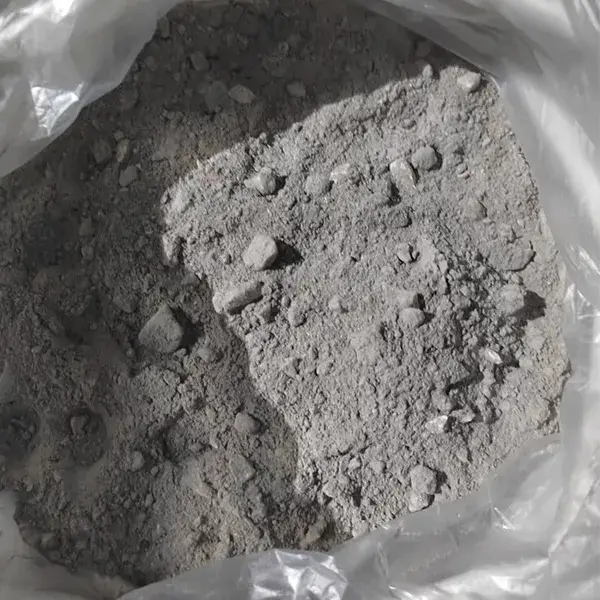
Selection principles for furnace lining materials: erosion resistance
Acidic furnace linings (primarily silica sand/SiO₂): Their main component is silicon dioxide (SiO₂), an acidic oxide. Chemically similar to acidic slag, they exhibit very low reactivity, thus possessing excellent resistance to acidic slag erosion. This is the key reason why they have become the mainstream choice for cast iron smelting.
Alkaline furnace linings (primarily magnesia/MgO): Their main component is magnesium oxide (MgO), a strongly alkaline oxide. When encountering acidic slag (SiO₂), a violent neutralization reaction occurs:
MgO + SiO₂ → MgSiO₃ (magnesium silicate, a low-melting-point mineral)
This reaction rapidly corrodes the furnace lining, leading to thinner furnace walls, a drastically increased risk of furnace penetration, and an extremely short furnace life (the number of smelting cycles per furnace lining), making it unfeasible both economically and safely.
Neutral furnace linings (such as corundum/Al₂O₃, silicon carbide/SiC): Alumina is an amphoteric oxide, but it is relatively neutral in this environment, exhibiting good resistance to acid and alkali corrosion. High-alumina or aluminosilicate refractories are also commonly used in the more demanding smelting of cast iron, but they are generally more expensive than acidic materials.
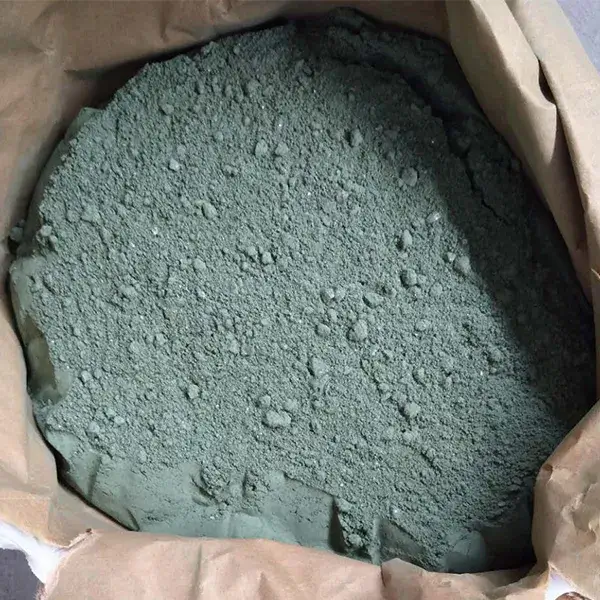
Analysis of the specific reasons why acidic (quartz sand) furnace linings must be used:
- Excellent resistance to cast iron slag erosion: As mentioned above, this is the fundamental reason.
- Compatibility with the silicon environment of cast iron smelting: Cast iron itself contains high levels of silicon (Si), which may oxidize to form SiO₂ or undergo deoxidation during smelting. The acidic furnace lining (SiO₂) environment is stable and will not react adversely with the silicon in the molten iron.
- Good thermal stability and insulation: After sintering, the silica sand-based furnace lining forms a robust sintered layer and transition layer, possessing good high-temperature strength and volume stability, capable of withstanding the erosion and thermal shock of molten iron. Simultaneously, its good insulation properties ensure the electrical efficiency of the induction furnace.
- Low cost and abundant resources: High-quality silica sand raw materials are readily available, and the cost of furnace construction and repair is far lower than that of alkaline or high-end neutral materials, making it extremely economical.
- Mature process system: After decades of development, the acidic furnace lining based on quartz sand has a very mature and standardized operating system, from material ratio (quartz sand + sintering agent such as boric acid), furnace construction method, baking and sintering process to daily maintenance, which ensures the stability and reliability of production.
Exceptions and Special Cases
High-magnesium slag after smelting ductile iron: After spheroidizing treatment (usually with the addition of magnesium, rare earth elements, etc.), alkaline slag containing MgO is generated. If the slag is not removed thoroughly, this slag will react with the acidic furnace lining. Therefore, the requirements for slag removal at the furnace front are more stringent when smelting ductile iron, and sometimes a small amount of Al₂O₃ (such as brown corundum) is added during furnace construction to improve the furnace lining’s resistance to “localized erosion” by alkaline slag, but the matrix remains acidic.
Smelting high-manganese steel or special alloys: If cast steel (especially high-manganese steel) is smelted in an electric furnace, because the slag is alkaline (to remove phosphorus and sulfur), an alkaline furnace lining (magnesia sand) must be used. This precisely confirms the principle that “the acidity/alkalinity of the furnace lining must match the acidity/alkalinity of the slag.”
Conclusion:
Electric furnaces for smelting cast iron parts must use acidic refractory materials (mainly quartz sand-based) for furnace construction. This is not an arbitrary rule, but rather determined by the physicochemical nature of cast iron smelting. Its fundamental purpose is to ensure chemical inertness between the furnace lining and the acidic slag, thereby achieving a sufficiently long furnace lining service life, ensuring safe production, and controlling production costs. This is a classic application of materials science in the casting process.